
ANHC Participates in APCA Legislative Fly-In to Strengthen Alaska’s Health Care System
March 2, 2026
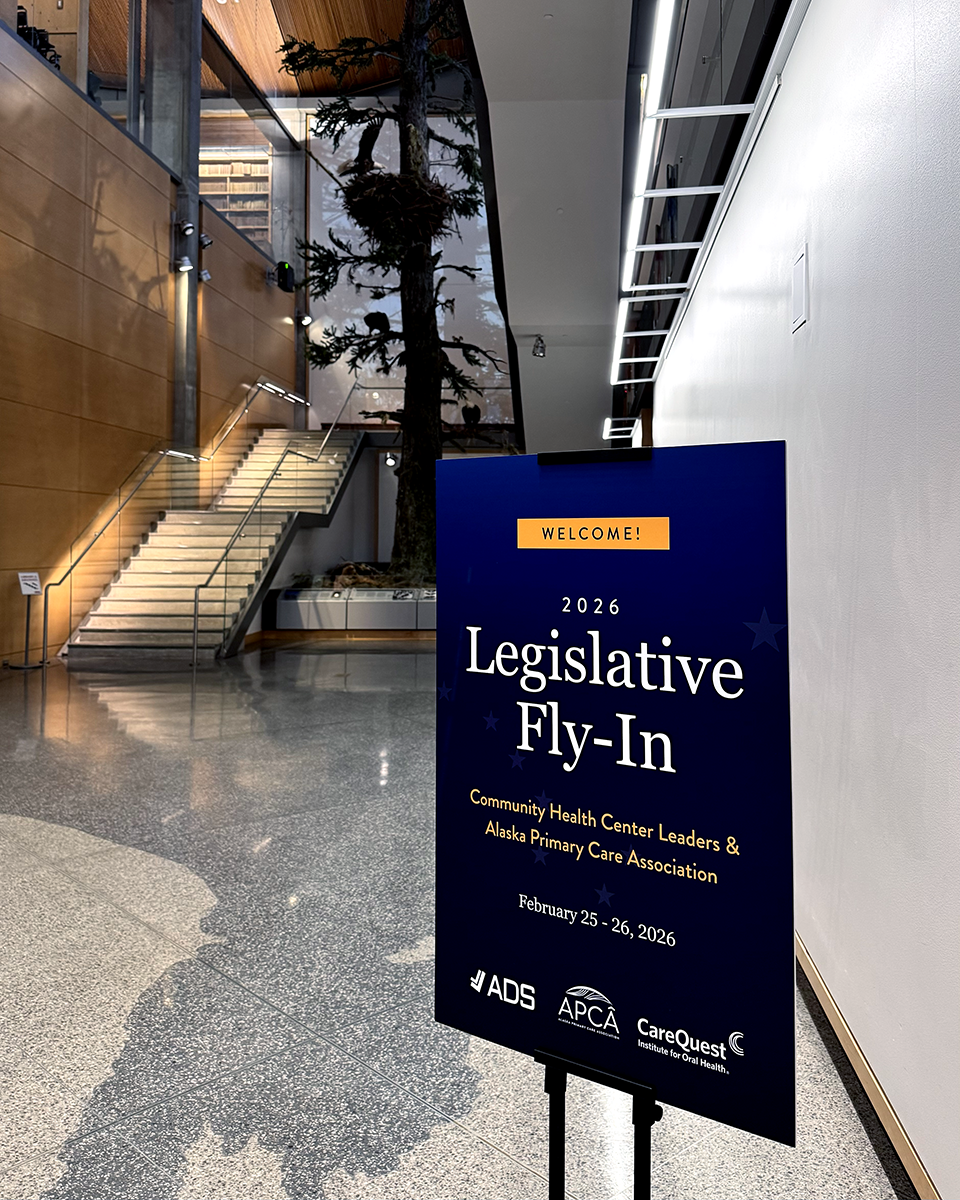
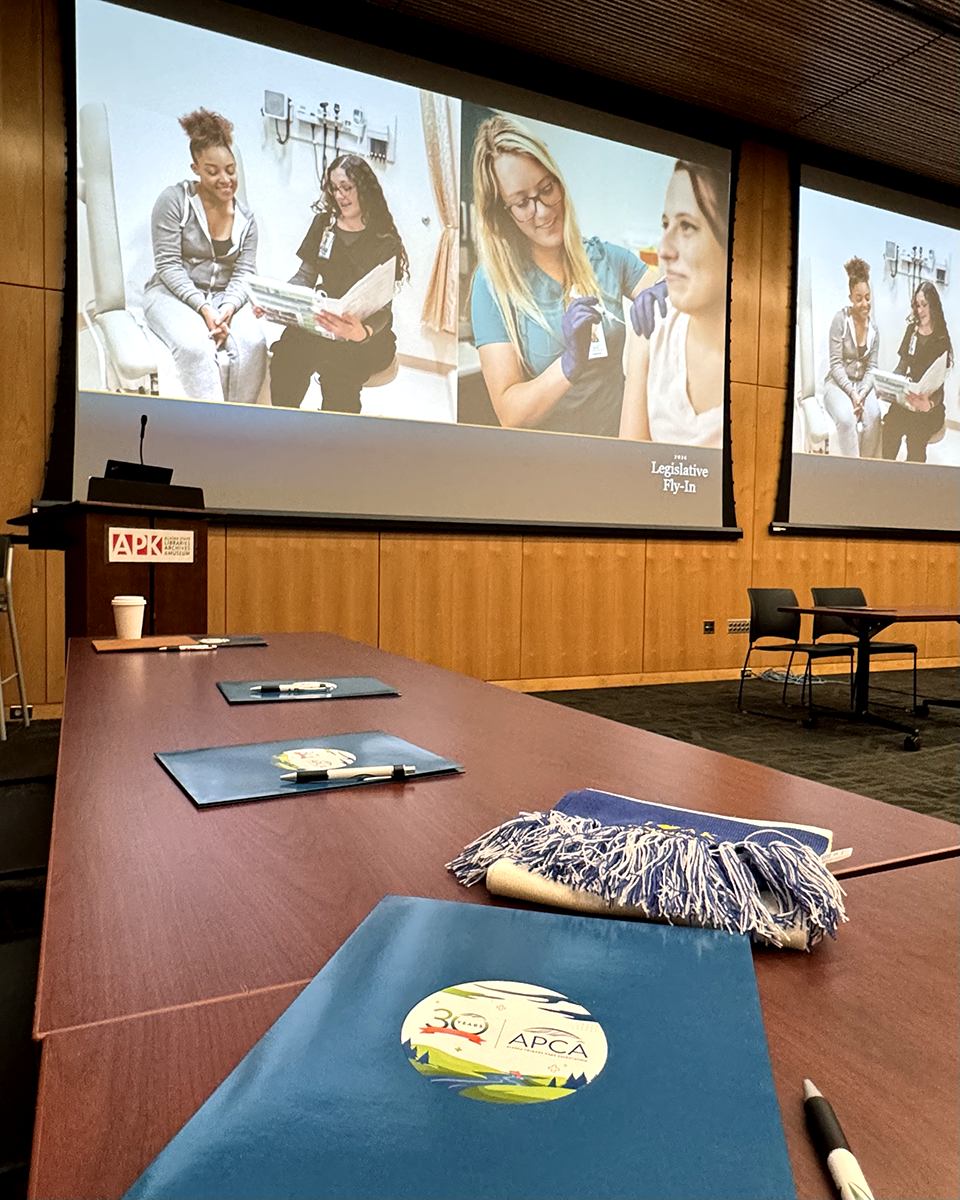
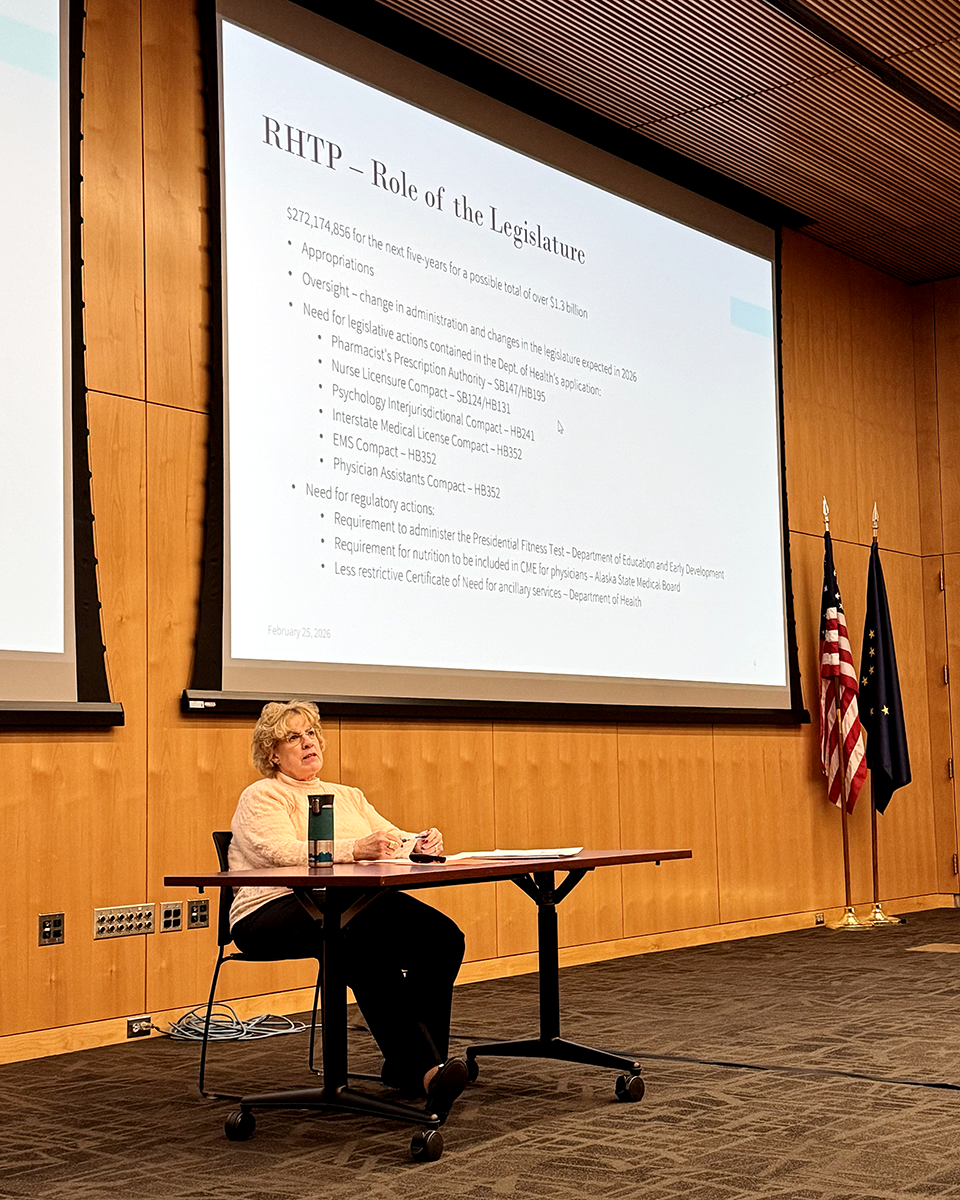
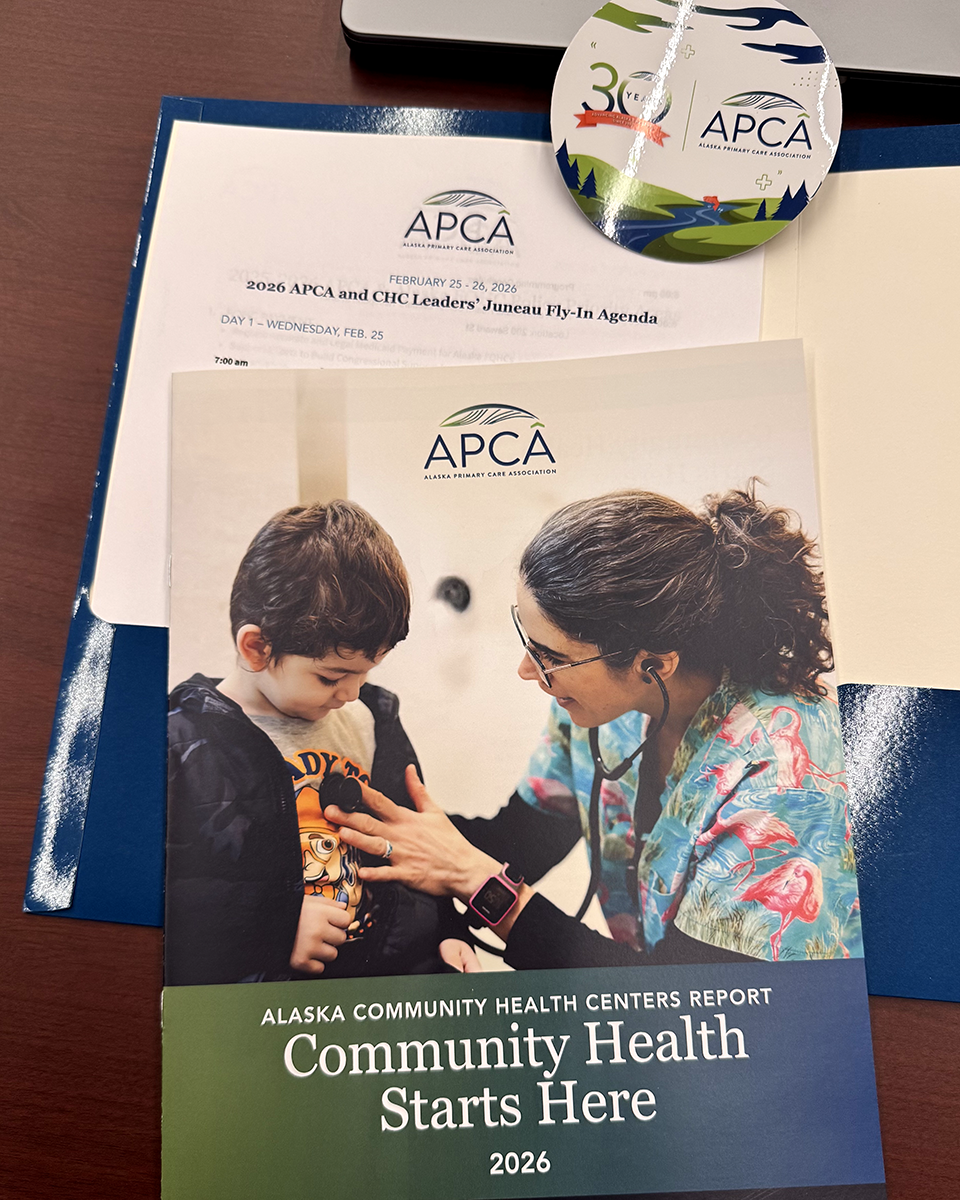
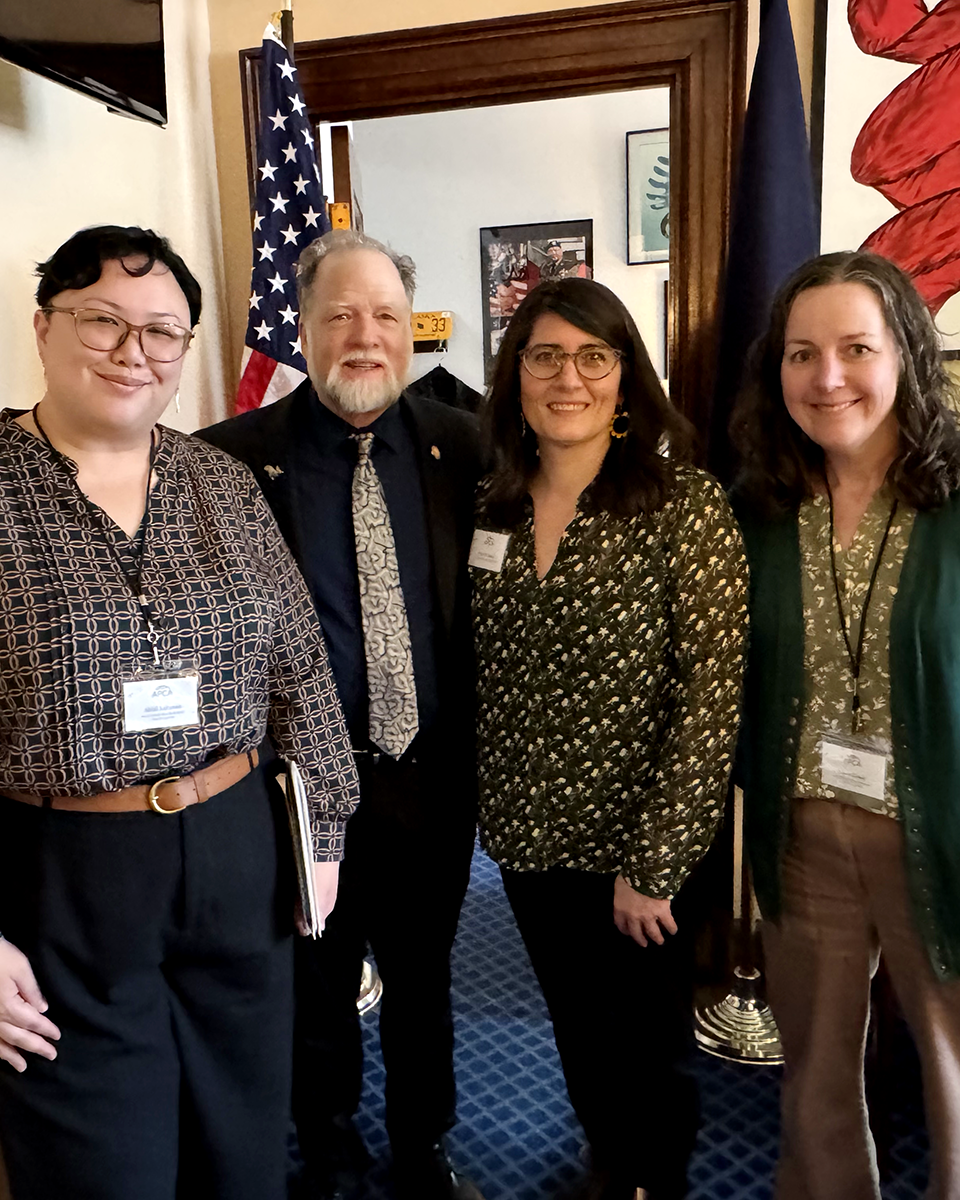
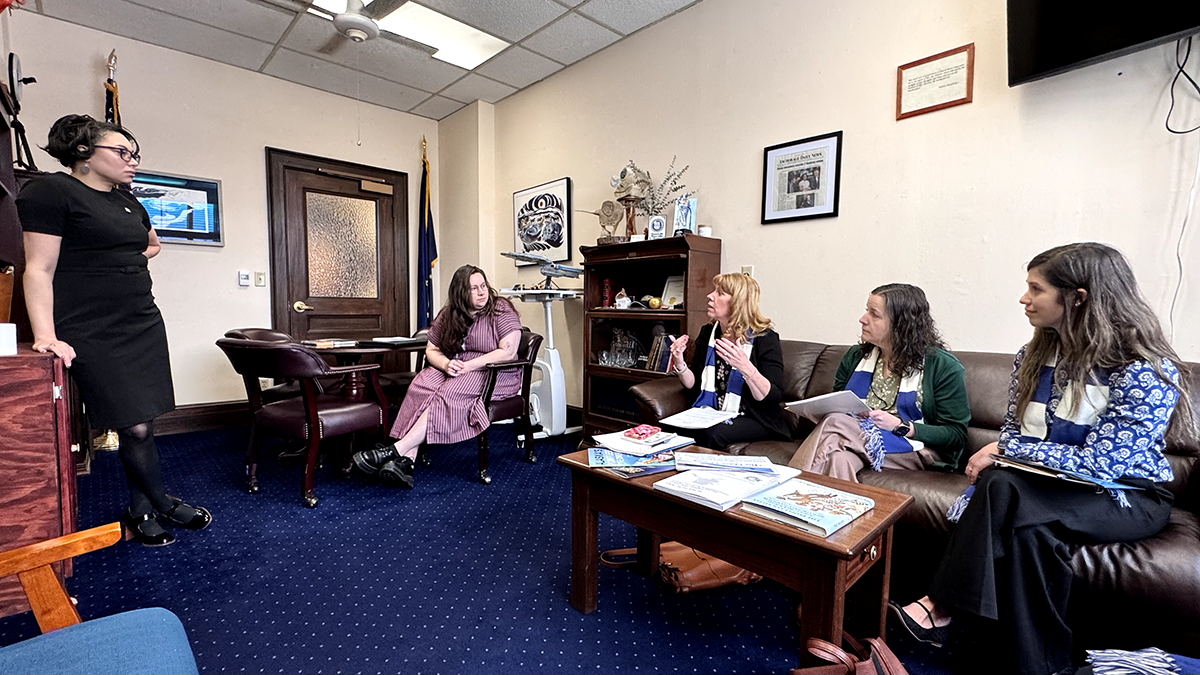
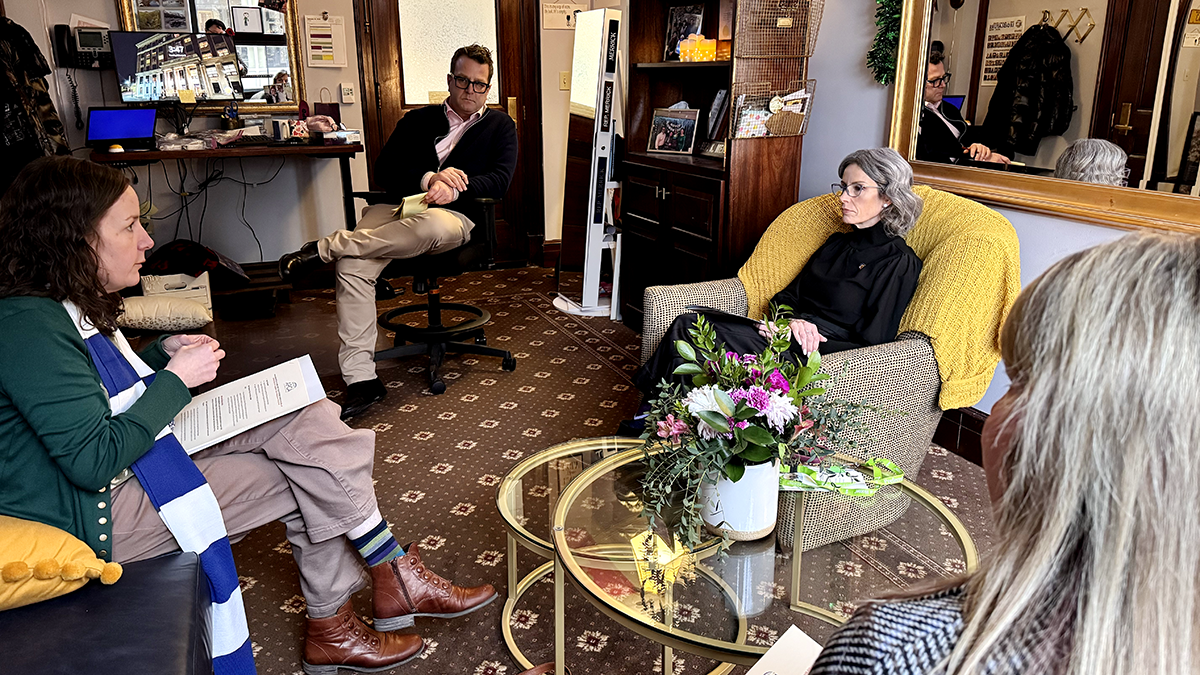
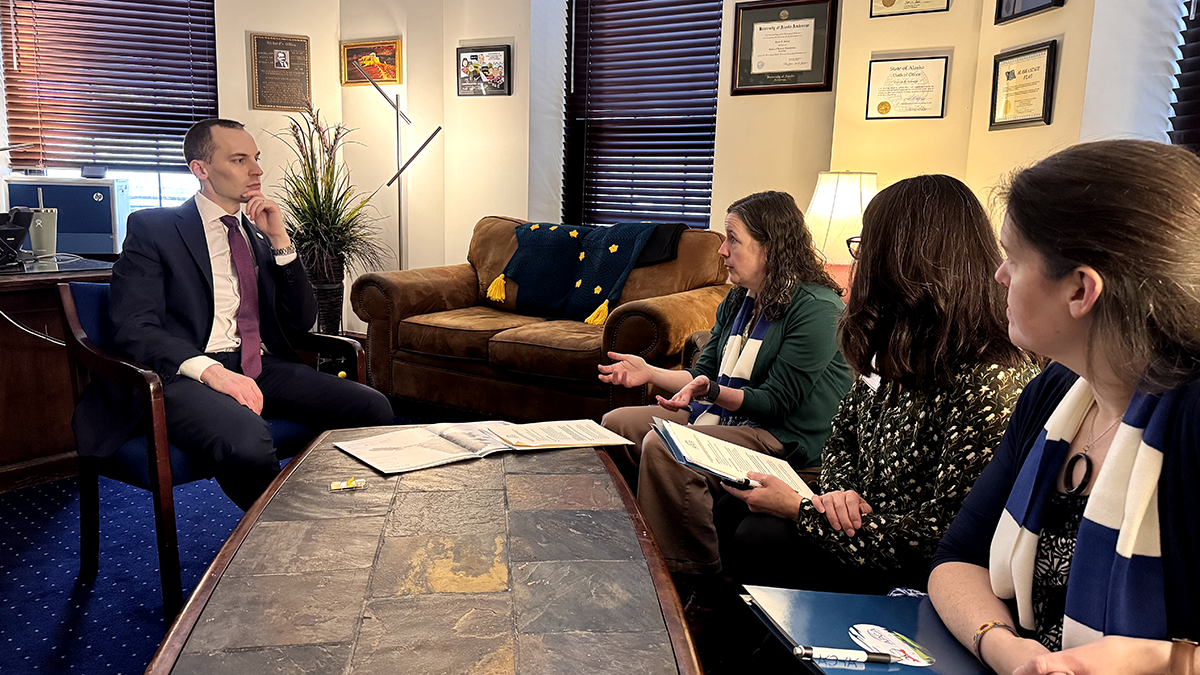
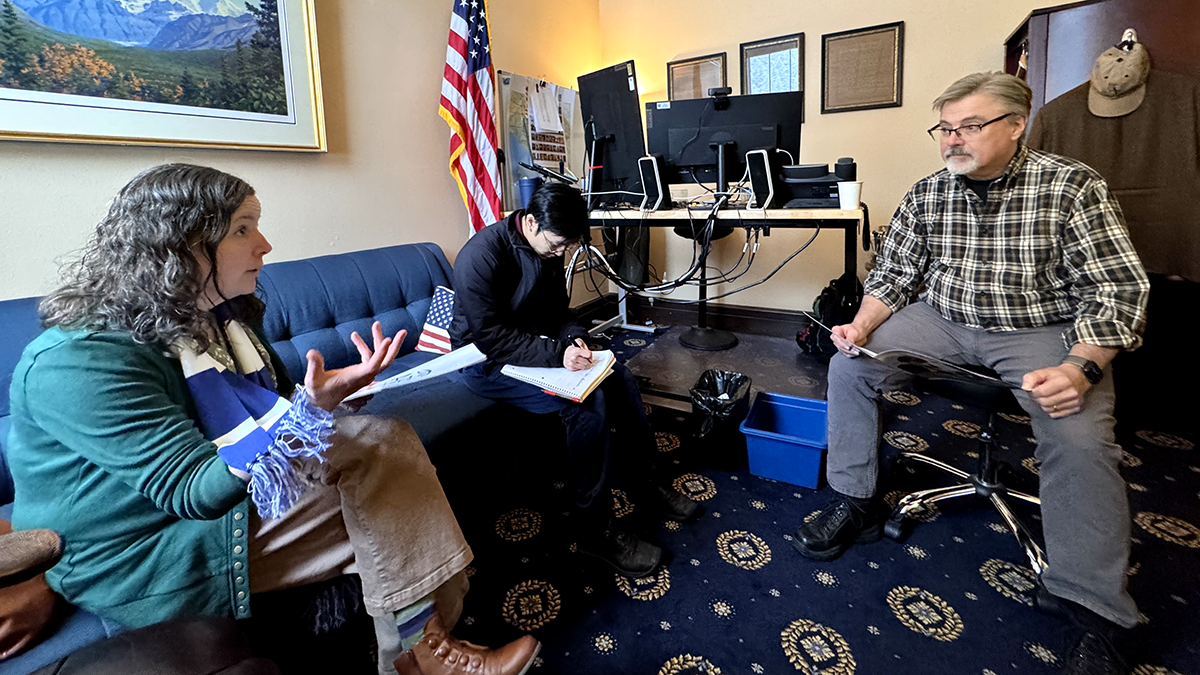
Last week, Anchorage Neighborhood Health Center (ANHC) joined community health center leaders from across the state in Juneau for the Alaska Primary Care Association Legislative Fly-In, held February 25–26, 2026.
We were proud to participate in important conversations about protecting patient access to care, strengthening Alaska’s health care workforce, and ensuring fair and sustainable payment for Federally Qualified Health Centers (FQHCs).



Conversations with State Leadership
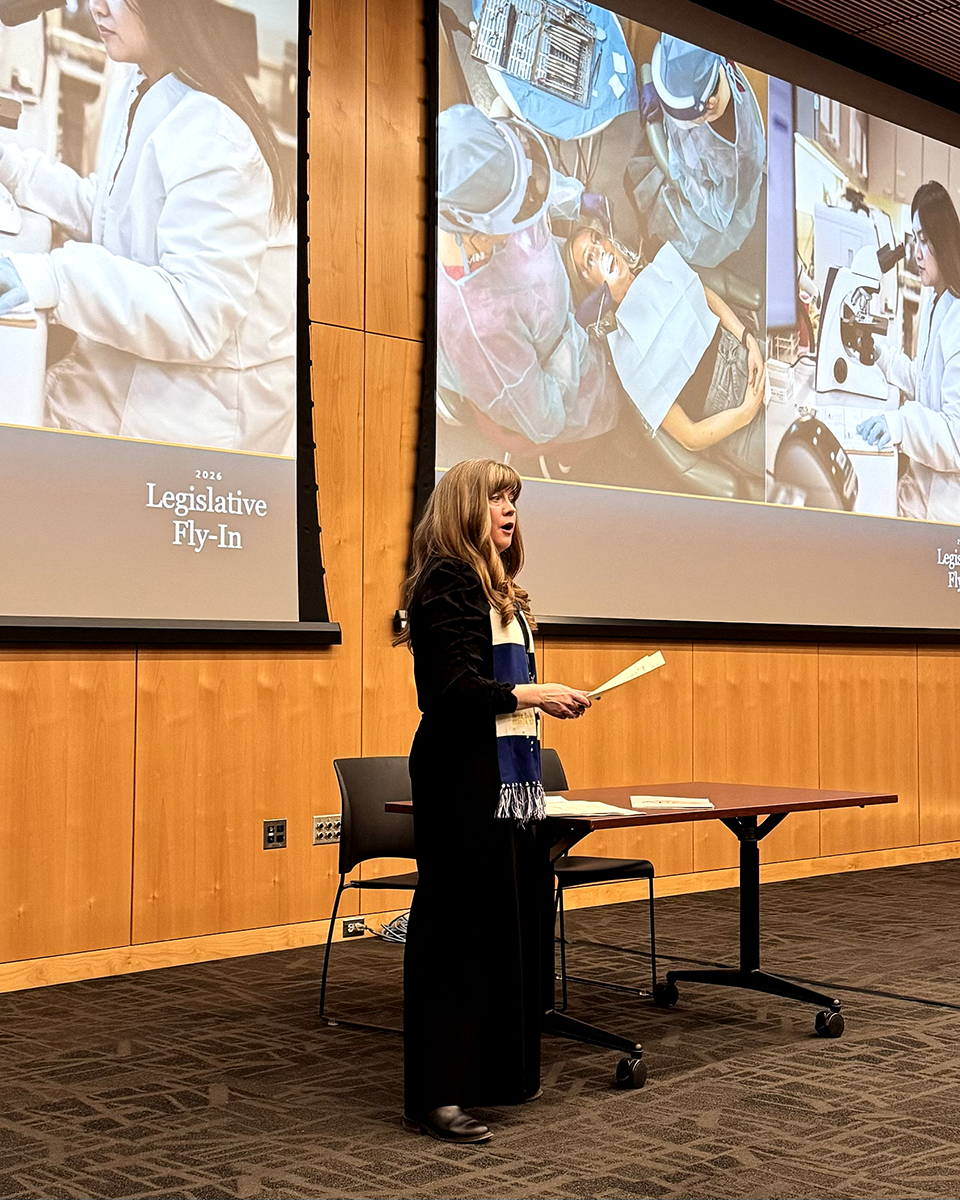
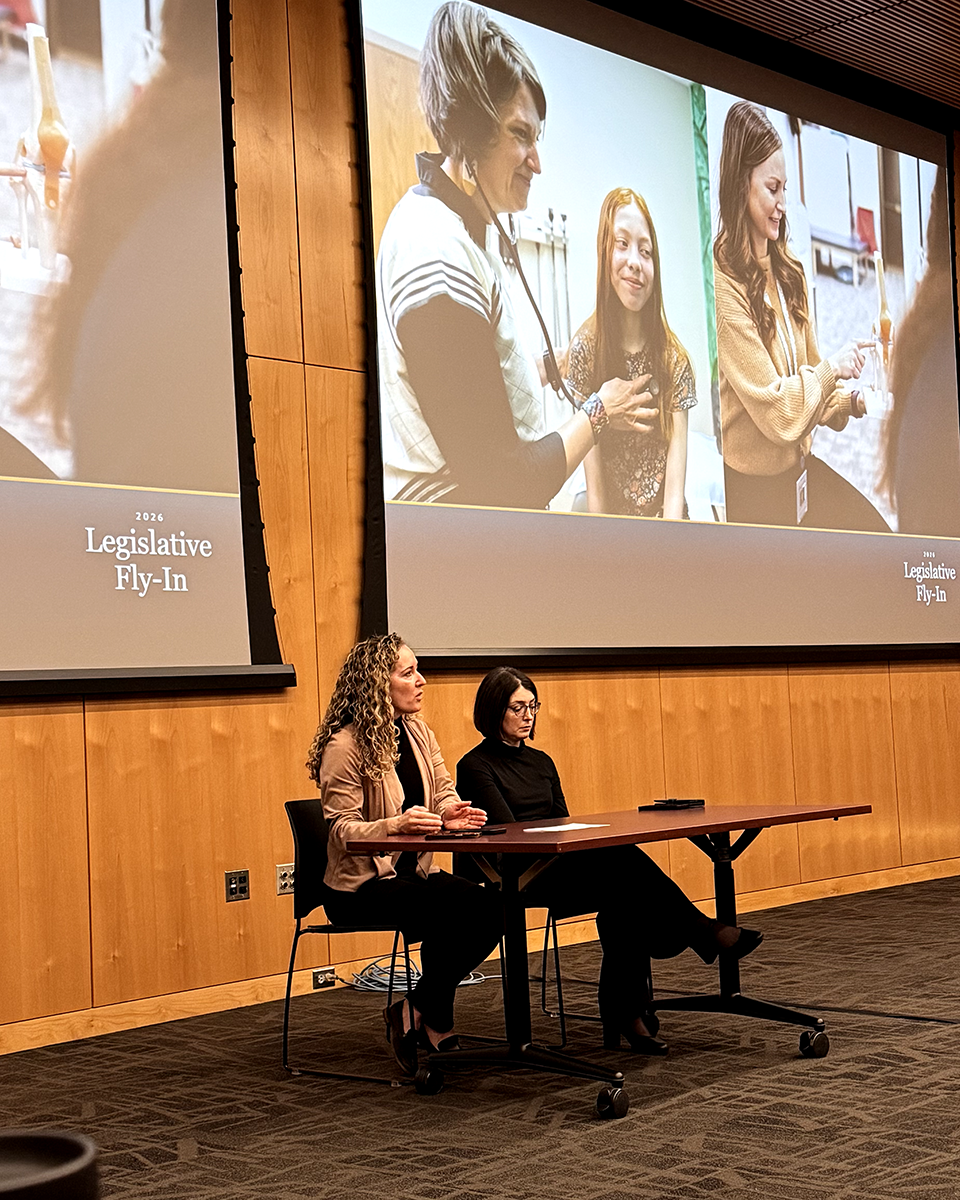
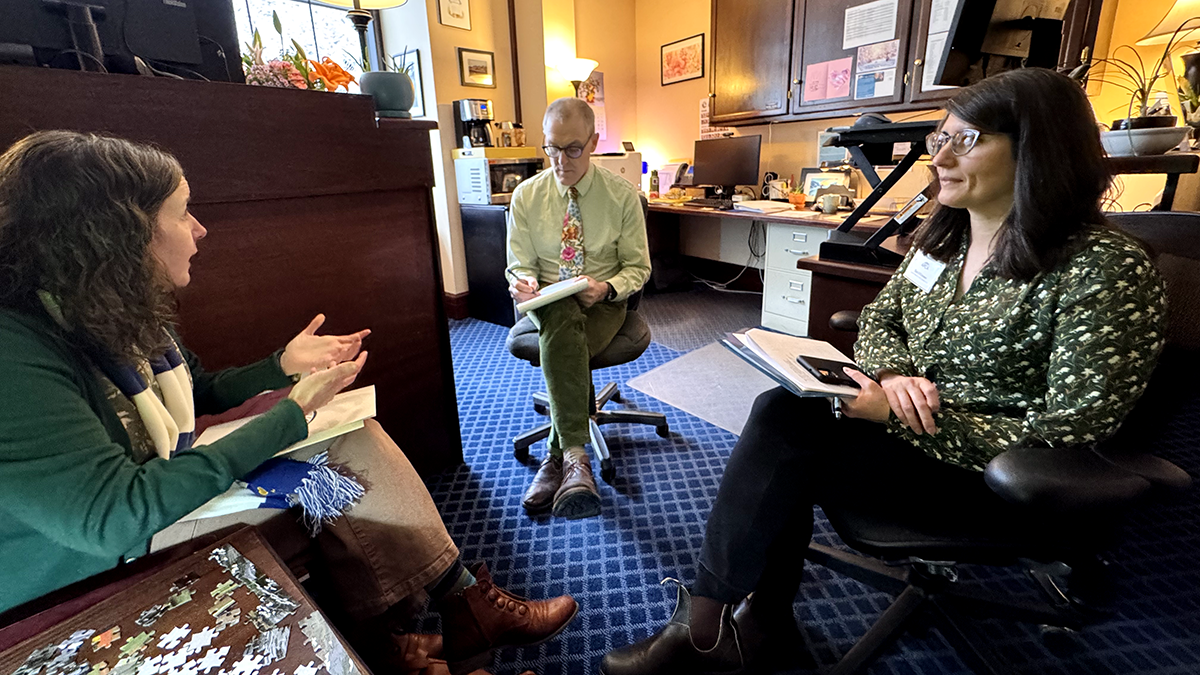
During the fly-in, we participated in roundtable discussions with Alaska Department of Health Commissioner Heidi Hedberg and Deputy Commissioner Emily Ricci and Lori Wing-Heier, Legislative Healthcare Liaison to the House Majority. These conversations focused on practical solutions that directly impact our patients and the long-term sustainability of safety-net providers across Alaska.
We appreciate the opportunity to share ANHC’s on-the-ground perspective and to collaborate with state leadership on issues that affect the communities we serve every day.
Key Advocacy Priorities
1. Accurate and Sustainable Medicaid Payment
FQHCs serve 1 in 6 Alaskans, providing whole-person care that includes primary care, behavioral health, oral health, and pharmacy services. Ensuring accurate Medicaid payment is essential to sustaining this work.
We advocated for timely regulatory action to support needed Medicaid rate corrections and to strengthen FQHC participation in Alaska’s Rural Health Transformation Program (RHTP). When payment systems function properly, health centers can reinvest resources into expanded services, workforce recruitment, and improved patient access.
2. Strengthening Alaska’s Health Care Workforce
Workforce recruitment and retention remain top challenges across our state, particularly in community-based and rural settings.
We discussed:
The importance of housing and childcare support to recruit and retain clinicians
Expanding Graduate Medical Education (GME) opportunities in Alaska
Developing Teaching Health Center pathways that increase the likelihood physicians remain in-state after training
Physicians who train in Alaska are significantly more likely to practice here. Building local training capacity is a long-term solution to Alaska’s provider shortages and directly supports continuity of care for our patients.
3. Protecting Patient Access
We also focused on policies that protect and improve access to care for Alaskans, including:
Supporting implementation flexibility around new Medicaid work requirements
Improving Medicaid eligibility processing timelines
Protecting access to affordable prescriptions through the 340B program
Supporting federal action to improve Medicare payment rates in Alaska
Medicaid provides access to care for 1 in 4 Alaskans, and many of those covered are working adults. Administrative delays or barriers can create disruptions in care that affect both patients and providers. Health centers stand ready to partner with the State to ensure eligibility processes are efficient, accessible, and supportive of whole-person care.
Advocacy in Action
As an FQHC, ANHC is committed not only to delivering high-quality care, but also to advancing policies that make care more accessible and sustainable for our community.
Advocacy is part of our mission. It ensures that the systems supporting our patients remain strong — from reimbursement structures to workforce pipelines to prescription access.
We are grateful to the Alaska Primary Care Association for hosting a productive fly-in and for creating space for collaboration between health centers and state leadership.
ANHC will continue working alongside our partners to strengthen Alaska’s health care system and ensure that every patient — regardless of income or insurance status — has access to comprehensive, high-quality care.